Category: Events

Celebrating ZTC Initiative Impact: The ZTC Instructor Luncheon & Student Panel

On March 24, 2026, we gathered with ZTC faculty and student panelists to celebrate a milestone: the first anniversary of the Zero Textbook Cost (ZTC) initiative at BCIT. The luncheon was more than just a celebration, it was a reflection on how far BCIT has come in making education more accessible, equitable, and affordable for all students.
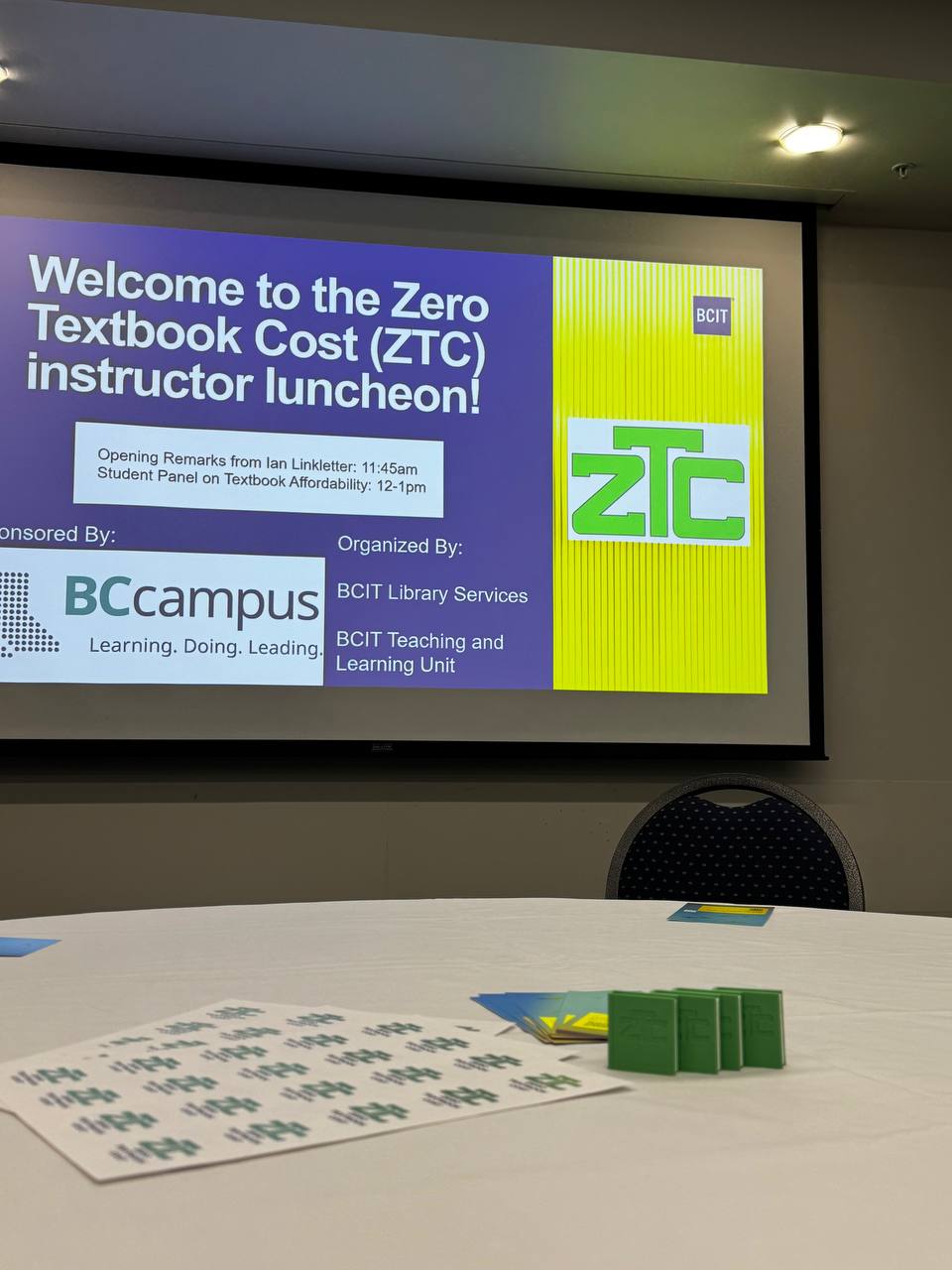
Opening Presentation

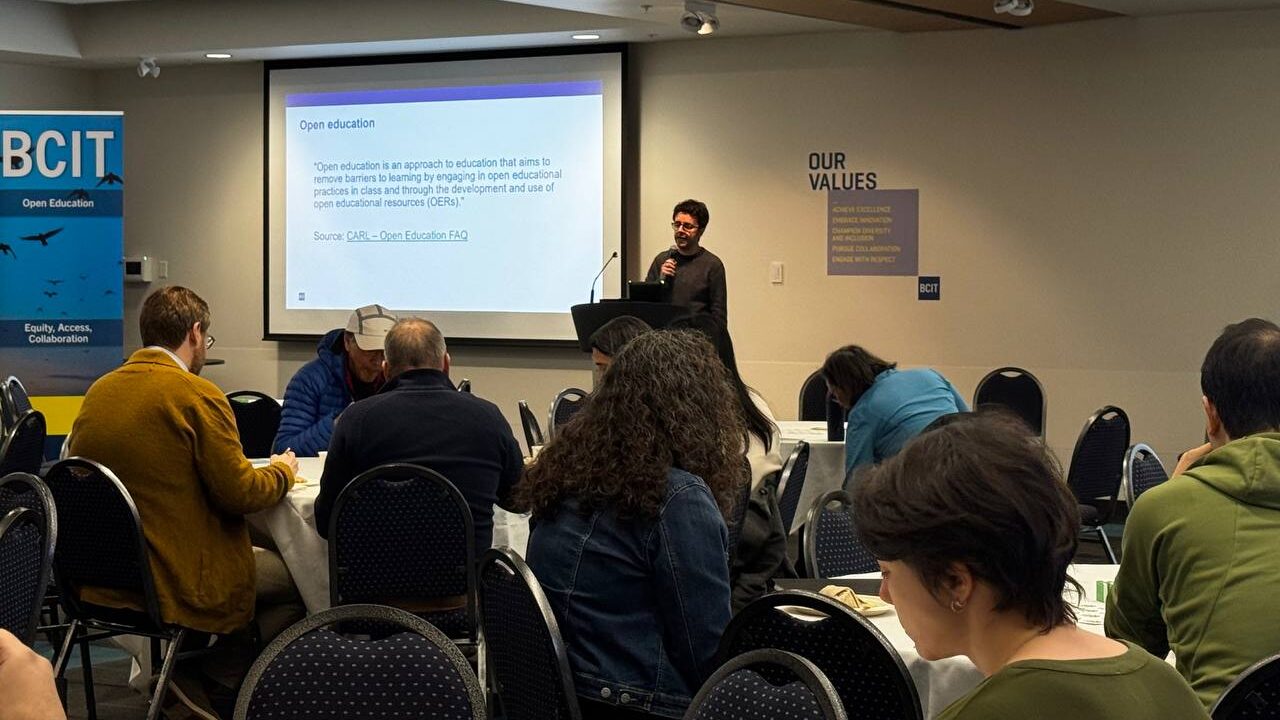
The event kicked off with a presentation by Ian Linkletter, who shared the highlights of the ZTC initiative and showed faculty the massive impact we’ve made together in just 12 months. It’s amazing to see how much awareness has been raised and how many students are already financially benefiting from these changes. Seeing those numbers helps put into perspective why this work matters so much.
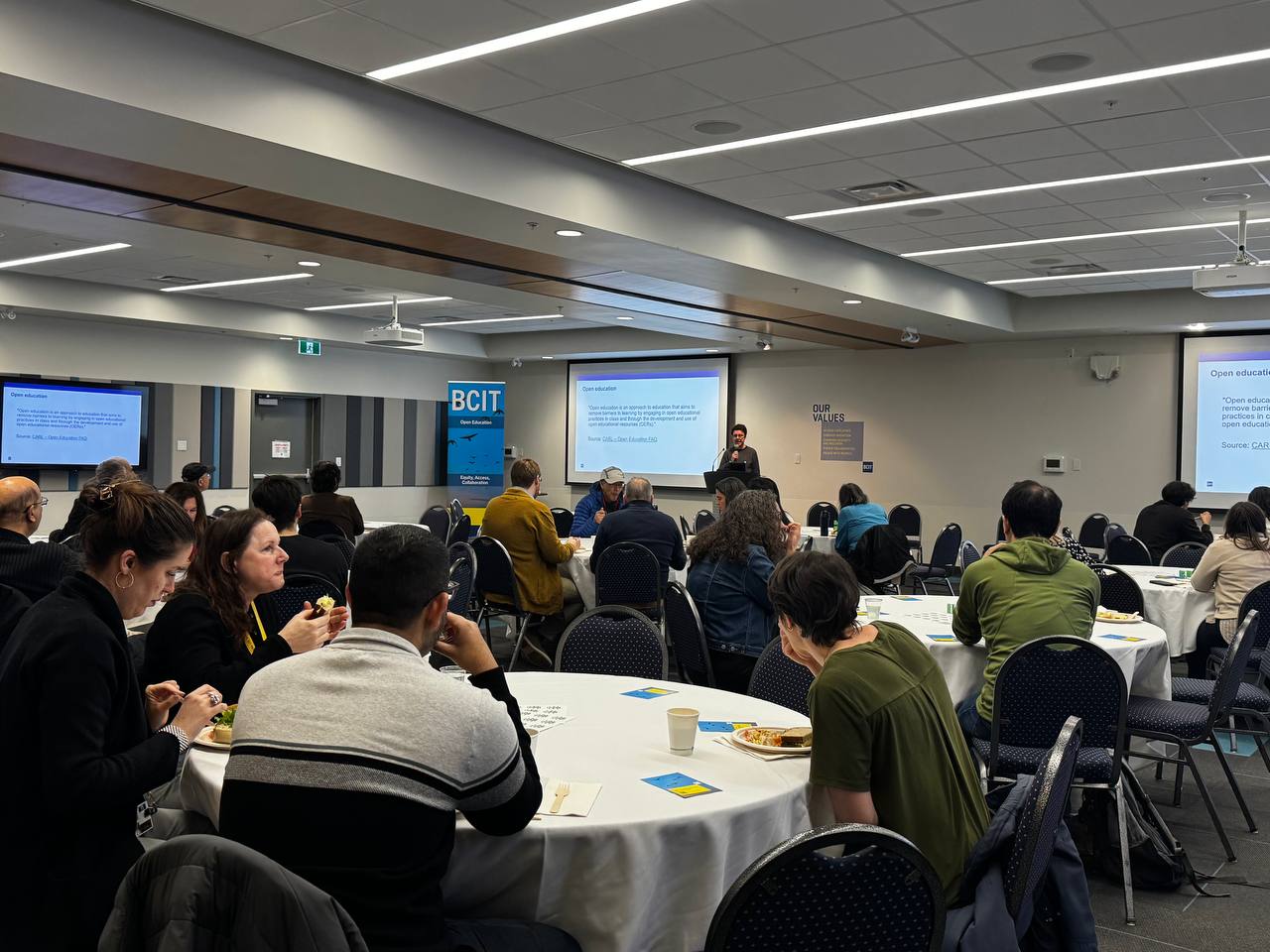
A room full of guests seated at tables, with a speaker standing at the front of the room.

Voices of the Student Experience

One of the other highlights of the event was the opportunity to hear directly from students during our Student Panel on Textbook Affordability. We were joined by five incredible panelists from different schools across BCIT: Erin, Devraj, Eminence, Katherine, and Chelsea and a moderator, Mariia. Their stories gave the ZTC instructors in attendance a valuable perspective on textbook affordability with ZTC courses:

  • The Relief of No Unexpected Costs: Students shared how relieved they were to find out they didn’t have to buy expensive textbooks for most of their courses. In cases where they did have to buy one, some shared they only used it about three times, mostly just for an exam.
  • Fairness and Results: The panel discussed how ZTC makes education fairer. When everyone has access to the same materials from day one, everyone has the same opportunity to get the best results in the course.
  • Better Ways to Learn: Instead of just reading a paid textbook, students shared how they learn the same or even better through OER (Open Educational Resources), including practicing with quizzes, hearing from guest speakers, having open access textbook, and learning directly from their instructors’ expertise.
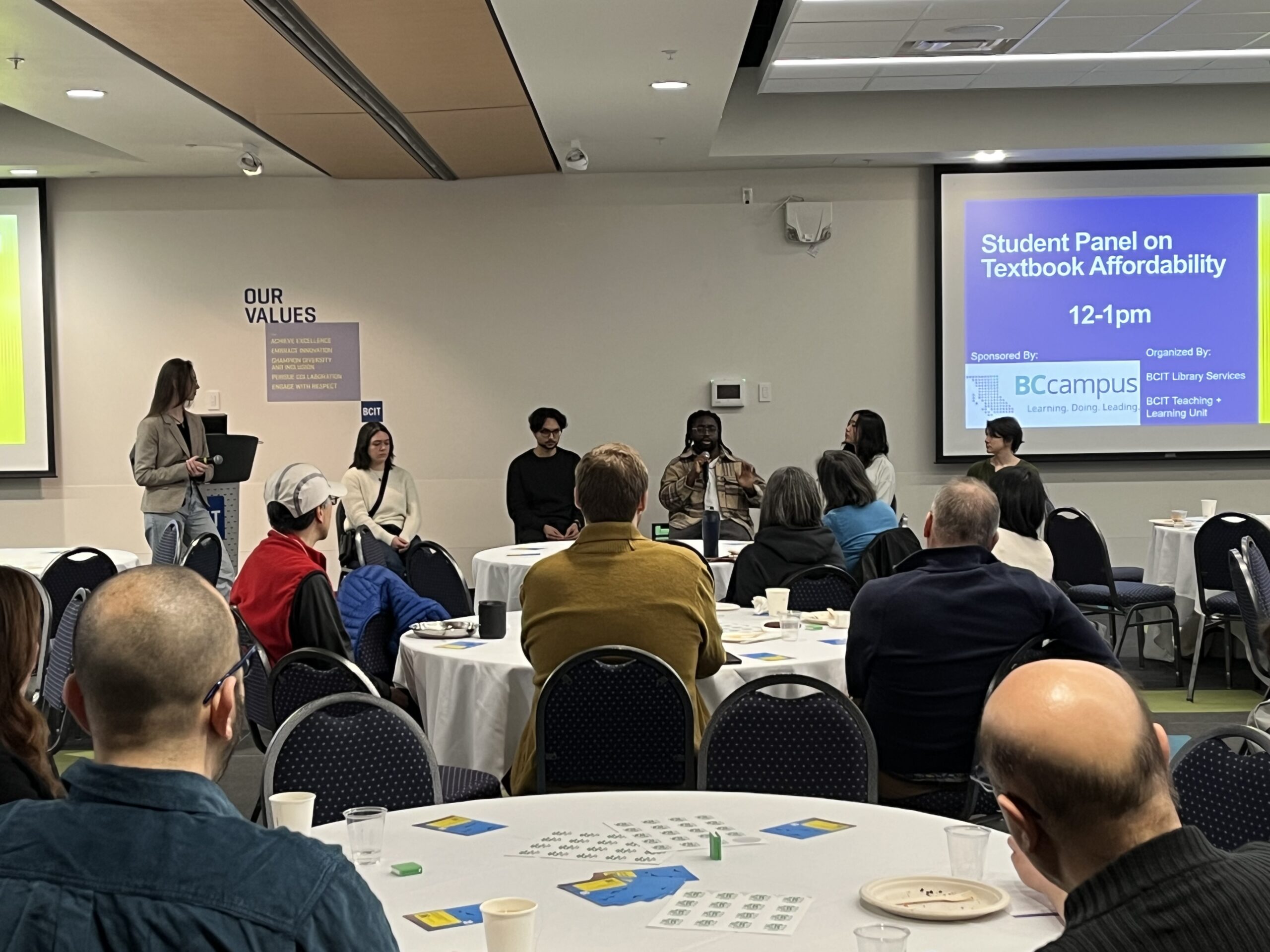
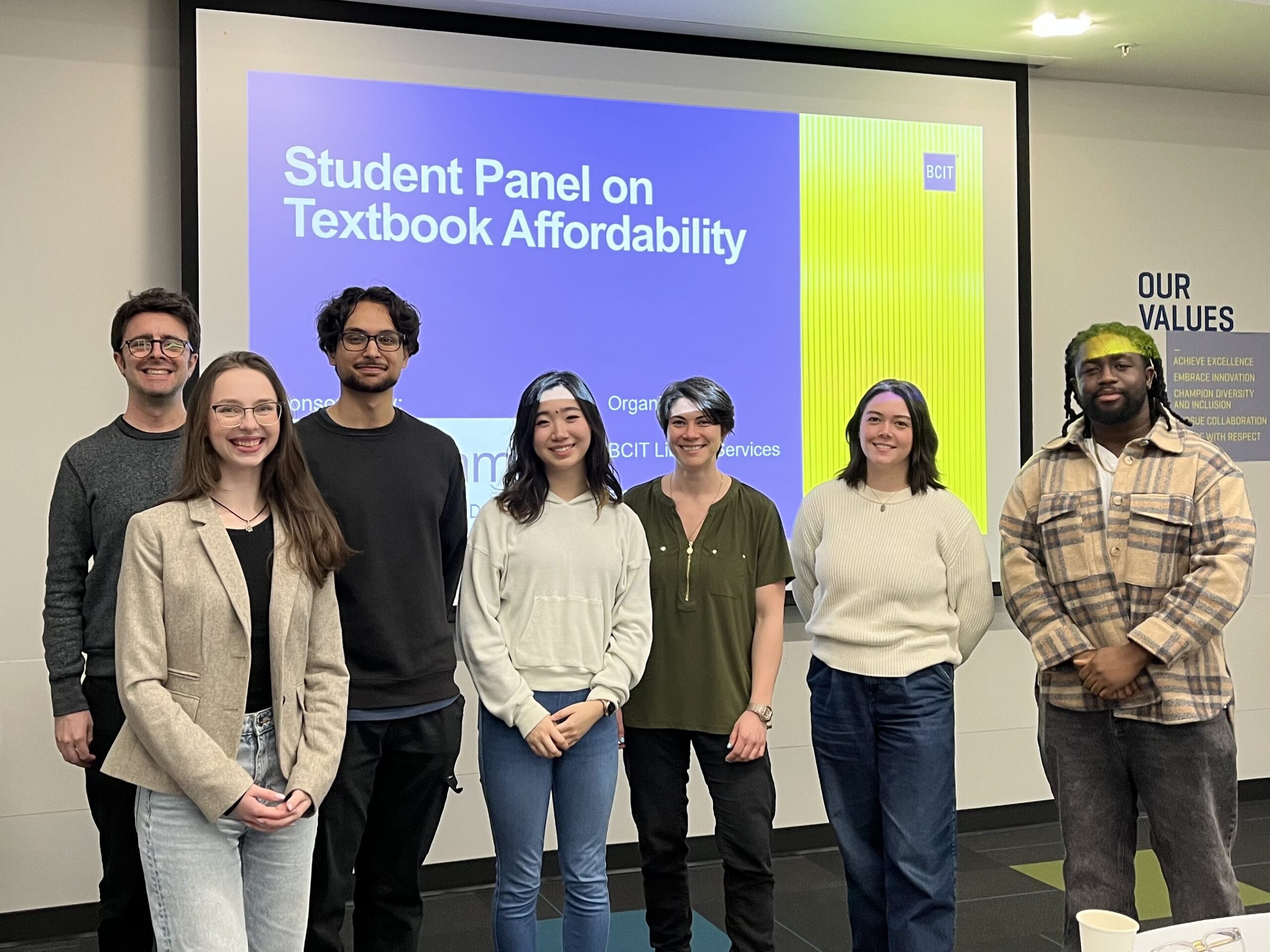
After the panel, we opened the floor for answering questions. It was a great session where we answered questions and talked about important topics that the instructors were curious about. It’s truly so important to see the interest and curiosity from both sides, it helps improve the level of education while making it more affordable for the students.

Looking to the Future

To all the instructors who joined us: thank you! Celebrating these accomplishments and the effect it makes on the students, with the help of instructors who marked their courses ZTC, makes so much difference. This was an incredible final event for our team’s active contribution to this initiative. We are so excited to see what impact our efforts will bring to BCIT in the future and beyond!

ZTC Textbook Price Battle Kit

Thinking about hosting a ZTC Pop-Up at your post-secondary institution to spread the word about Zero Textbook Cost (ZTC)? Not sure where to start?

Don’t worry, our team has you covered! In this guide, we’ll walk you through everything you need to successfully run a ZTC Pop-Up event that raises awareness, engages students and faculty, and ensures your event runs smoothly from start to finish.

What is a ZTC Pop-Up Event?

A ZTC Pop-Up is an interactive event that raises awareness about the impact of textbook costs on students. It creates a space for students to share their experiences with textbook prices and encourages conversations about more affordable learning resources.

This event format was created as part of our ZTC initiative at BCIT to help promote textbook affordability in post-secondary education.

Event Description (From the Attendee’s Perspective)

As a student, tell us, how much did you actually spend on textbooks last term? Join the [BCIT] ZTC team at the “Textbook Price Battle” pop-up to share your experience and win a prize. Go head-to-head with another student, guess each other’s textbook spending, and reveal the real numbers to see how your costs compare. Take part in the fun competition, enjoy a sweet treat and a special gift, and discover how ZTC courses at [BCIT] can bring your textbook costs down to $0.

How to Promote Your Event

Every post-secondary institution has different promotion channels and resources. A good starting point is to connect with people who already manage event promotion on campus. These teams often have the experience, tools, and access needed to promote events effectively.

We also recommend promoting your event through:

  • Posters across campus
  • Event invitations or announcements
  • Internal communication channels used by your institution

To help you get started, we’ve included our promotional posters below for your convenience.

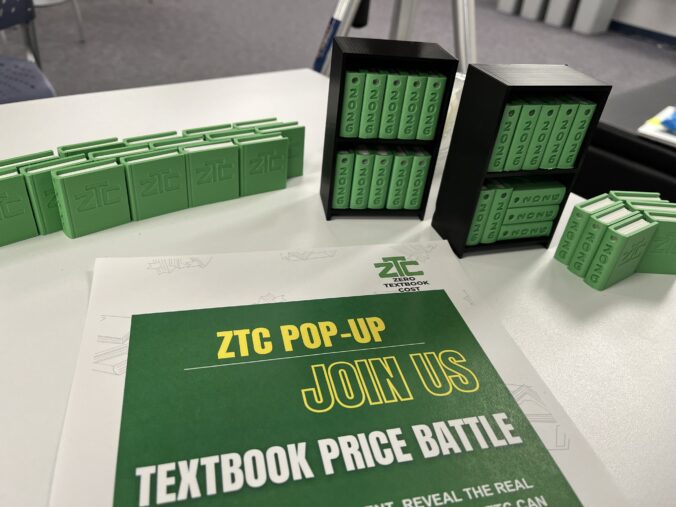
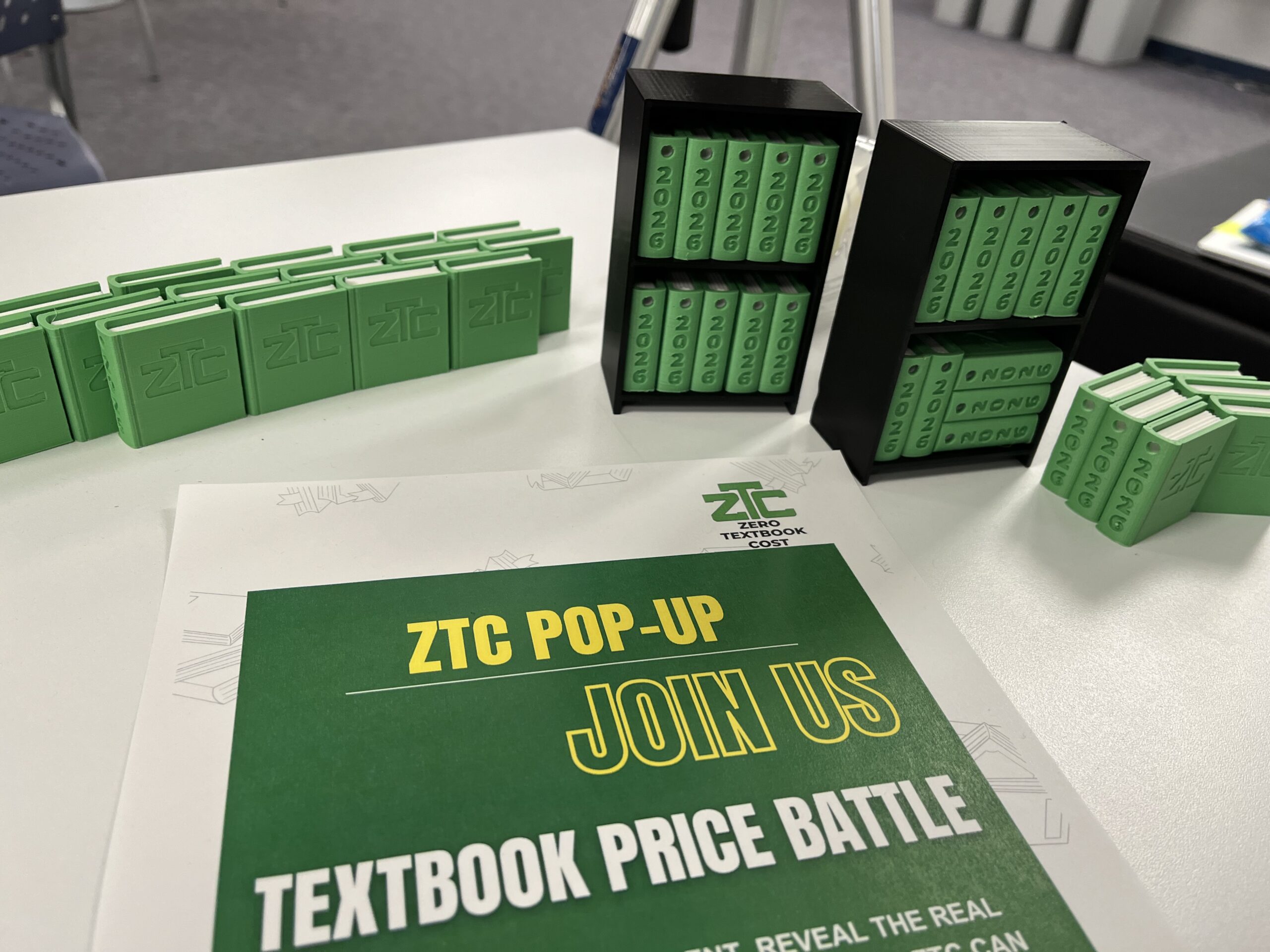
ZTC pop-up tabling featuring a ZTC promotional poster and multiple 3D-printed books.

What You Need for the Event

To run a successful ZTC Pop-Up, you only need a small setup that helps attract attention and encourage participation.

Basic Equipment

  • Table
  • Whiteboard (for prompt questions)
  • Whiteboard markers

Event Materials

  • Promotional posters
  • Camera and microphone (if you plan to record responses)
  • Consent forms
  • Sticky notes
  • Candies or small treats
  • ZTC 3D book giveaways

Ready-to-Use Posters!

Pro tip: You can download these posters and upload them to Canva to easily customize and modify them for your event.

Our team wishes you luck, and we’re excited to see how you will adopt it in your post-secondary education!

ZTC Textbook Price Battle: Event Wrap-Up and Key Insights

When raising awareness of Zero Textbook Cost, we recommend including student outreach in your campaign. Our first two pop-up events for students took place on January 21st and 28th, 2026. Here some key takeaways and insights from the experience.

What is the ZTC Pop-Up Textbook Battle?

The ZTC Pop-Up events took place at the BCIT Library on the Burnaby campus on January, and were themed around a Textbook Price “Battle” where students compared and shared textbook costs. The ZTC team works toward making education more affordable by reducing or eliminating textbook costs for students. Through this pop-up, we aimed to move beyond secondary research and ask BCIT students about their experiences.

Why We Did This: Purpose of the Pop-Up

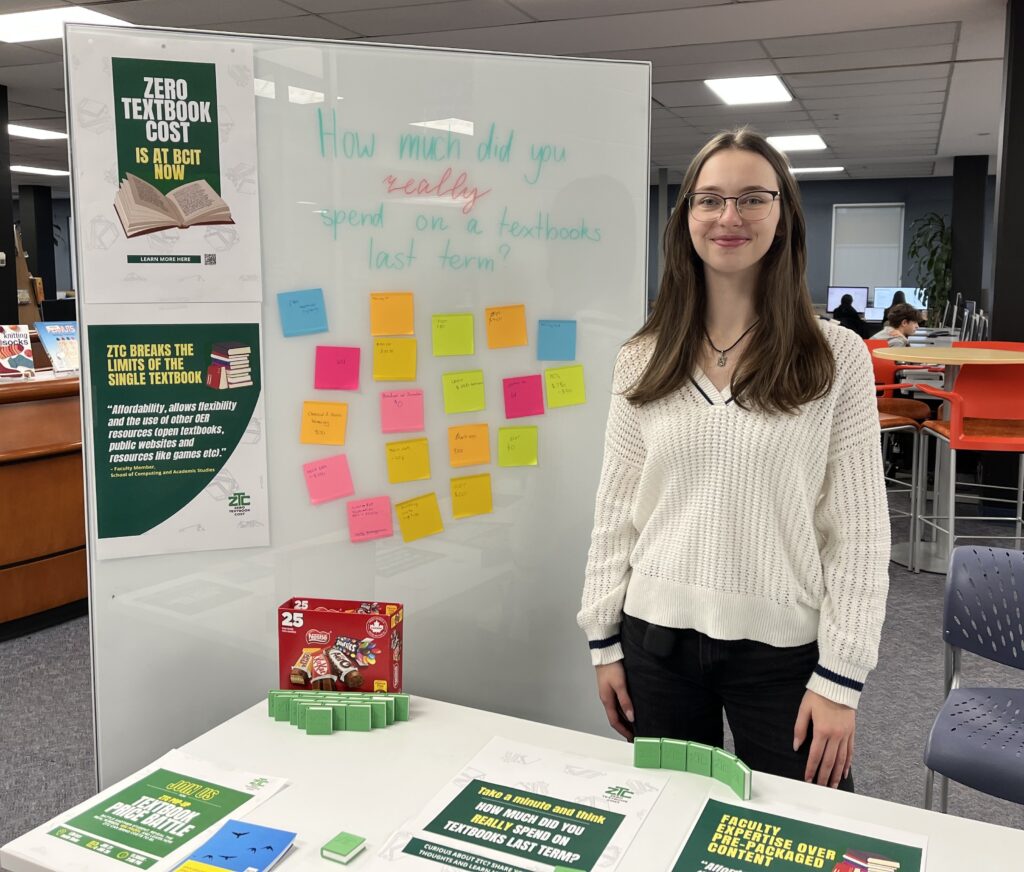
A ZTC pop-up table and a whiteboard and a ZTC team member Mariia featuring posters, colourful sticky notes, and 3D-printed books on a ZTC Pop-Up event.

Students and instructors coexist within every educational institution, and decisions made by one group directly impact the other. The main goal of the ZTC pop-up in the Library was to start a conversation across BCIT about the real impact textbook costs have on students’ academic experiences and daily lives. For many students, textbooks are not just an inconvenience but a significant financial barrier.

Who We Spoke With: Student Participation Across Programs

As students ourselves, we are familiar with how textbook costs affect budgets and overall student life. However, it was especially valuable to hear from peers across a wide range of programs, including business and engineering, and to compare how textbook costs differ between different majors.

Noticeable High Textbook Costs, Specifically in Business Programs

One clear pattern we observed was that textbook costs are consistently high, particularly among business students. For many business programs, spending on textbooks in the previous term ranged from approximately $300 to $800 for a single 15-week semester.

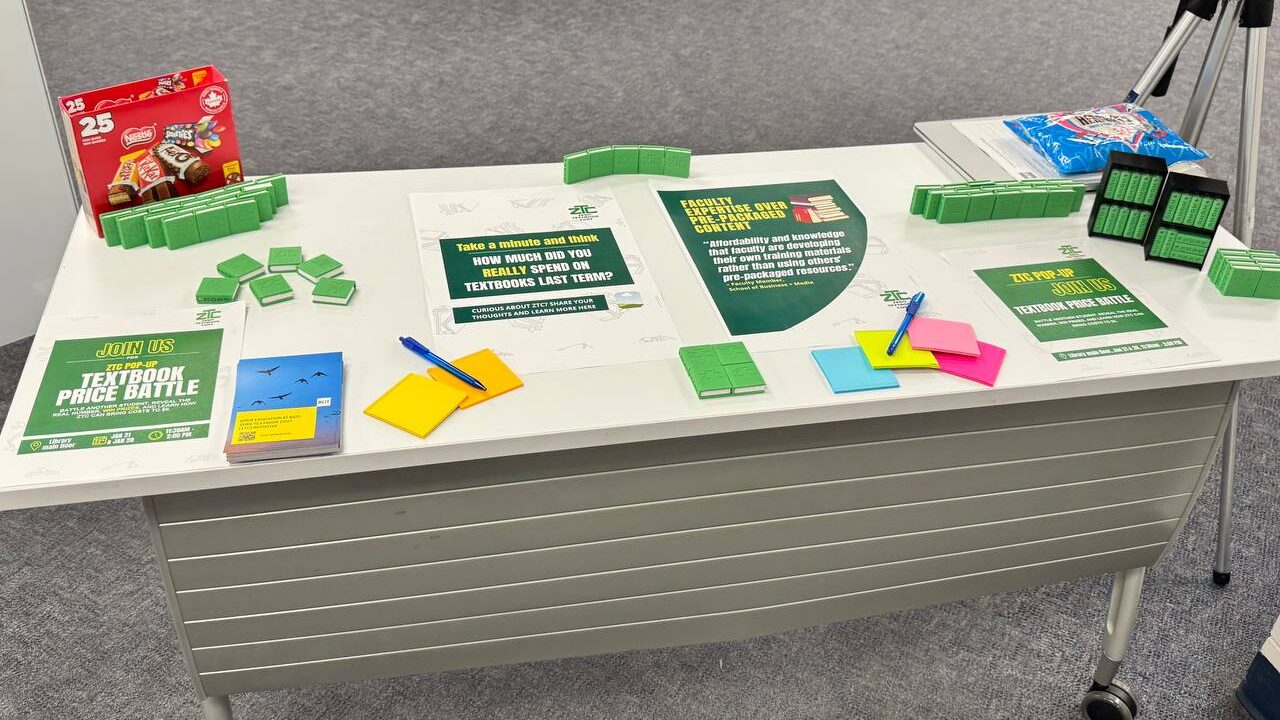
A ZTC pop-up table and a whiteboard featuring posters, colourful sticky notes, and 3D-printed books.

The highest reported amount, $800, came from an Operations and Management student. It’s important to mention, this same student paid significantly less in the current term because their instructor implemented Open Educational Resources instead of traditional textbooks. The student shared that they were very satisfied with the quality of the open materials and that the change made a big financial difference for them personally.

Piracy as a Way of Coping with High Textbook Costs

We were truly surprised to hear that students are not only aware of the high cost of textbooks, but also recognize the struggles their peers face as a result. What stood out most was that students themselves acknowledged how textbook costs affect equity, participation, and the overall learning environment within their programs.

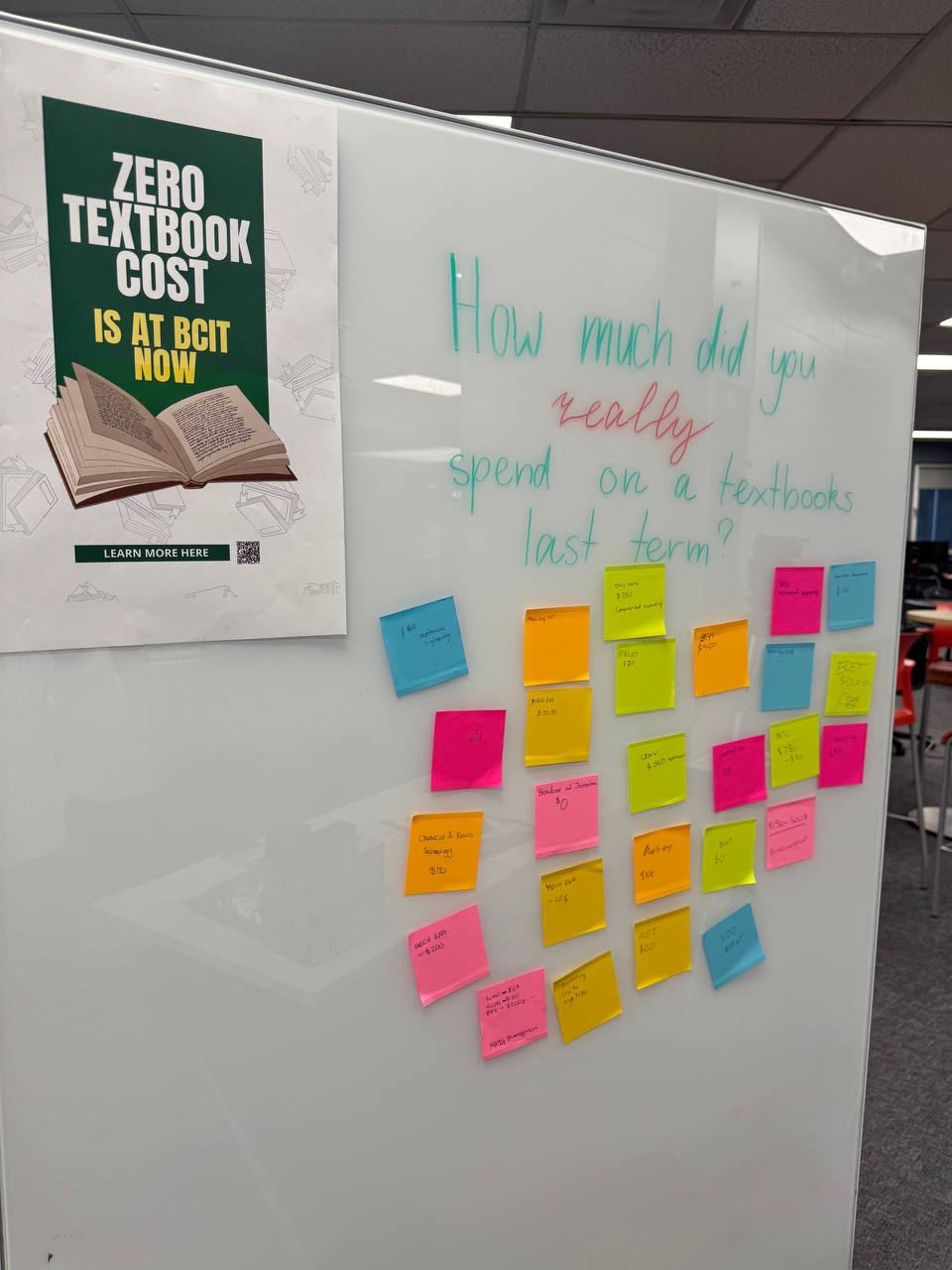
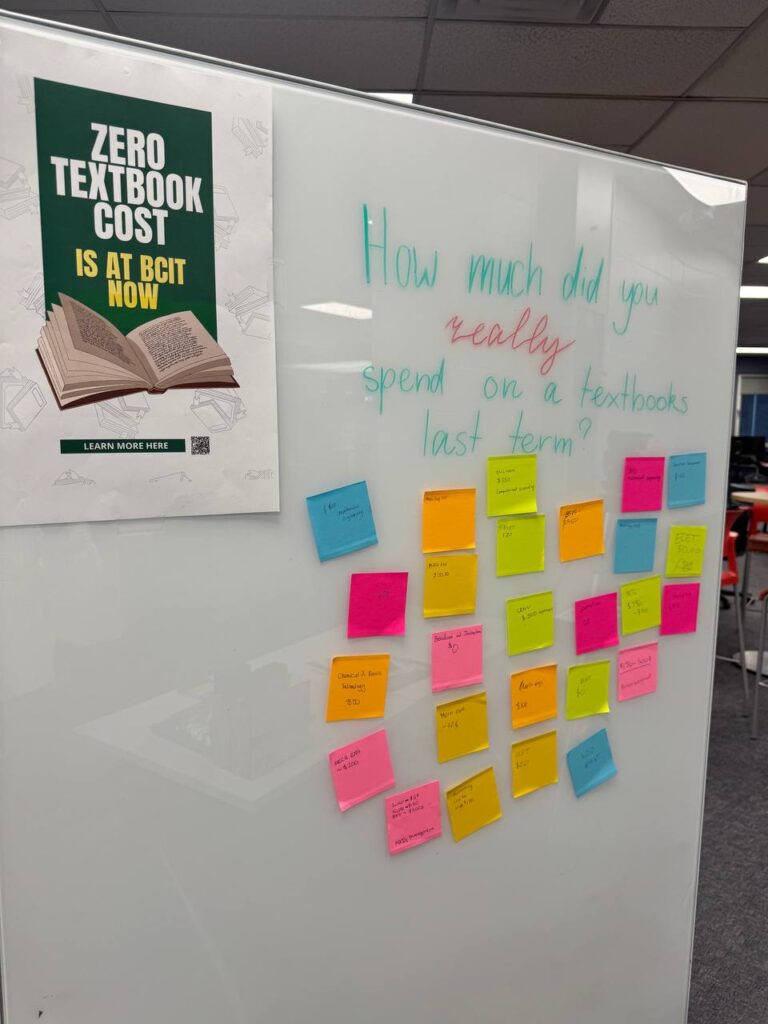
A whiteboard featuring ZTC promotional posters and sticky notes answering the question, “How much did you really spend on textbooks last term?”

For example, one first-year mechanical engineering student spent approximately $600 last term purchasing required textbooks, while another student in the same program spent $0 by accessing all needed materials through pirating. In some cases, students mentioned that instructors openly acknowledge the expense of textbooks, which can indirectly influence how students choose to access those materials.

Student Awareness of Inequality

One business student from Business Management major shared the following insight:

“I think I am very privileged to be able to pay for my textbooks on top of my tuition, but I realize how this creates inequality when some students struggle to afford them.”

BCIT Business Managment Student

An unexpected issue that frequently arose, particularly among engineering students, was the use of unofficial or “alternative” online textbook sources without permission from the publisher. Many students we spoke with during the first day of the event reported spending $0 on textbooks. After further talk, we learned that this was often because students accessed required materials through unauthorized channels.

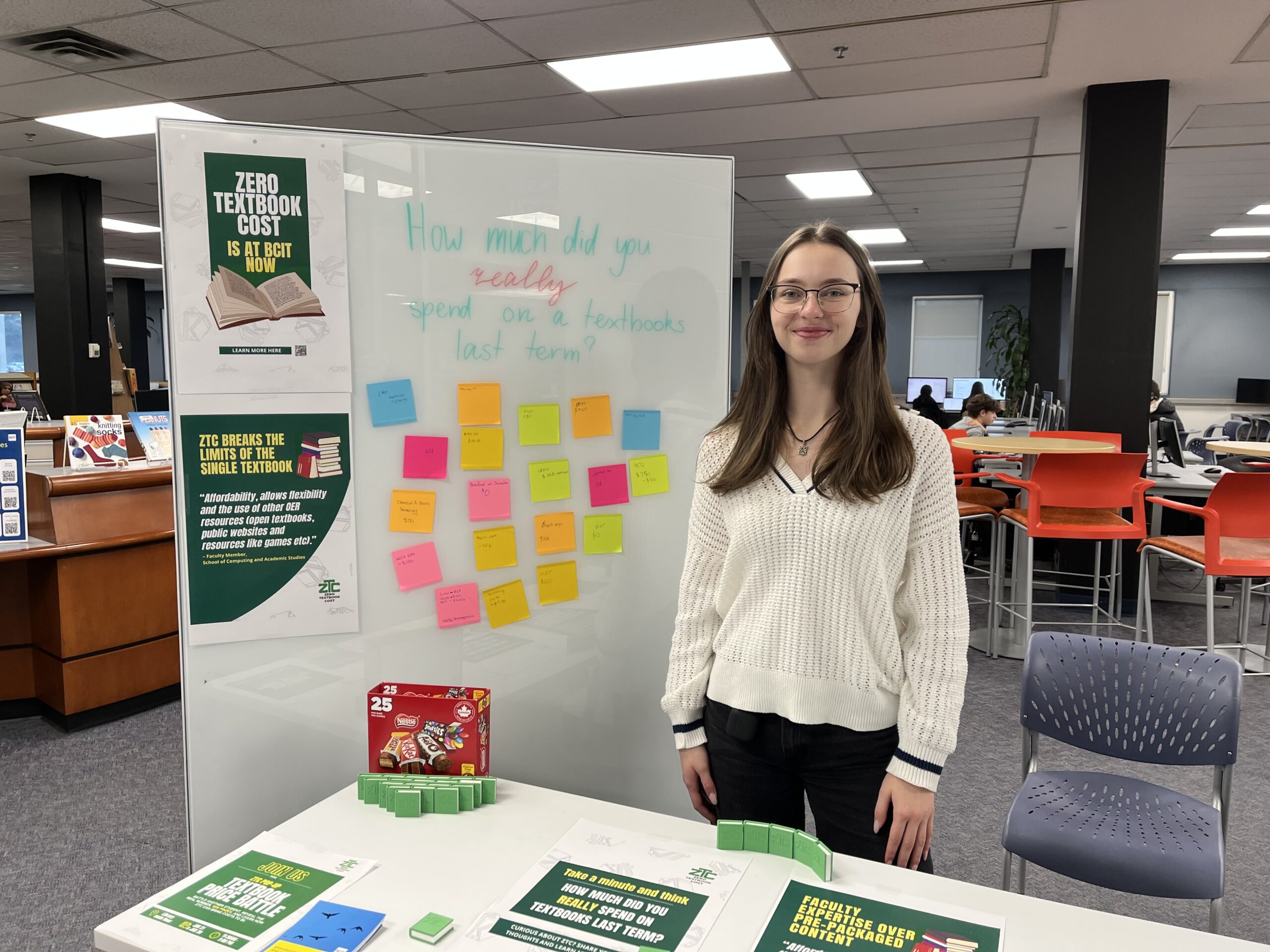
A ZTC pop-up table featuring posters, colourful sticky notes, and 3D-printed books.

The Bigger Question: Student Choice or Systemic Challenge?

This raises an important question. Are students making individual choices in response to high costs, or does this point to a bigger systemic challenge, where limited affordable and accessible options push students to spend hundreds of dollars on textbooks or seek alternative ways of accessing required course materials that do not align with copyrights?

Rethinking Access to Quality Learning Materials for Students

But the truth is that quality education matters, and students believe that a well-designed course with high-quality materials, whether traditional textbooks or OER, can make a real difference in the learning experience. At that point, it is worth asking whether the current system is truly working in students’ best interests. Accessible and affordable alternatives do exist, and that is exactly why we are doing this project.

We hope you gained as much insight from this experience as we did!

Image Slideshow