When raising awareness of Zero Textbook Cost, we recommend including student outreach in your campaign. Our first two pop-up events for students took place on January 21st and 28th, 2026. Here some key takeaways and insights from the experience.
What is the ZTC Pop-Up Textbook Battle?
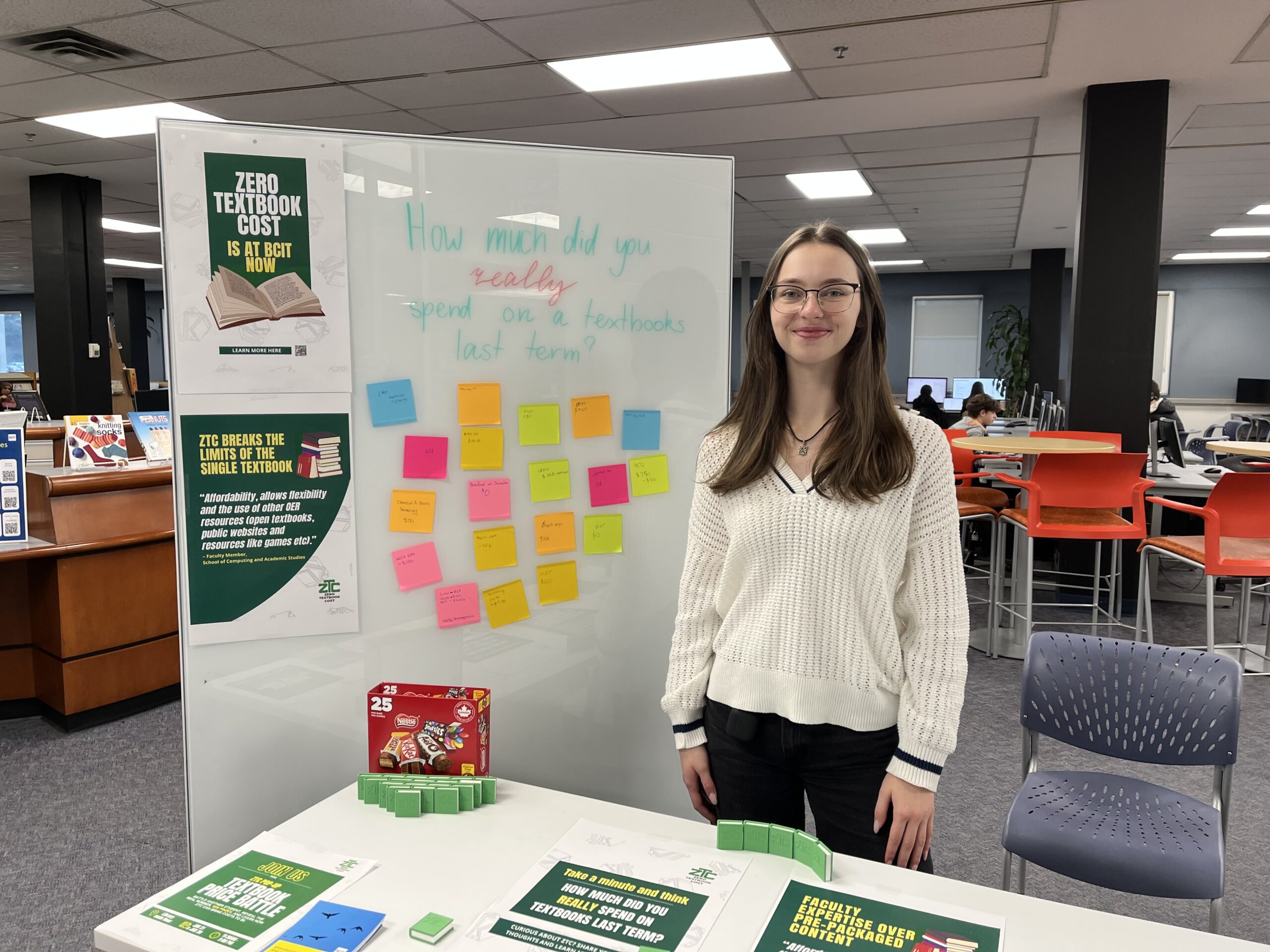
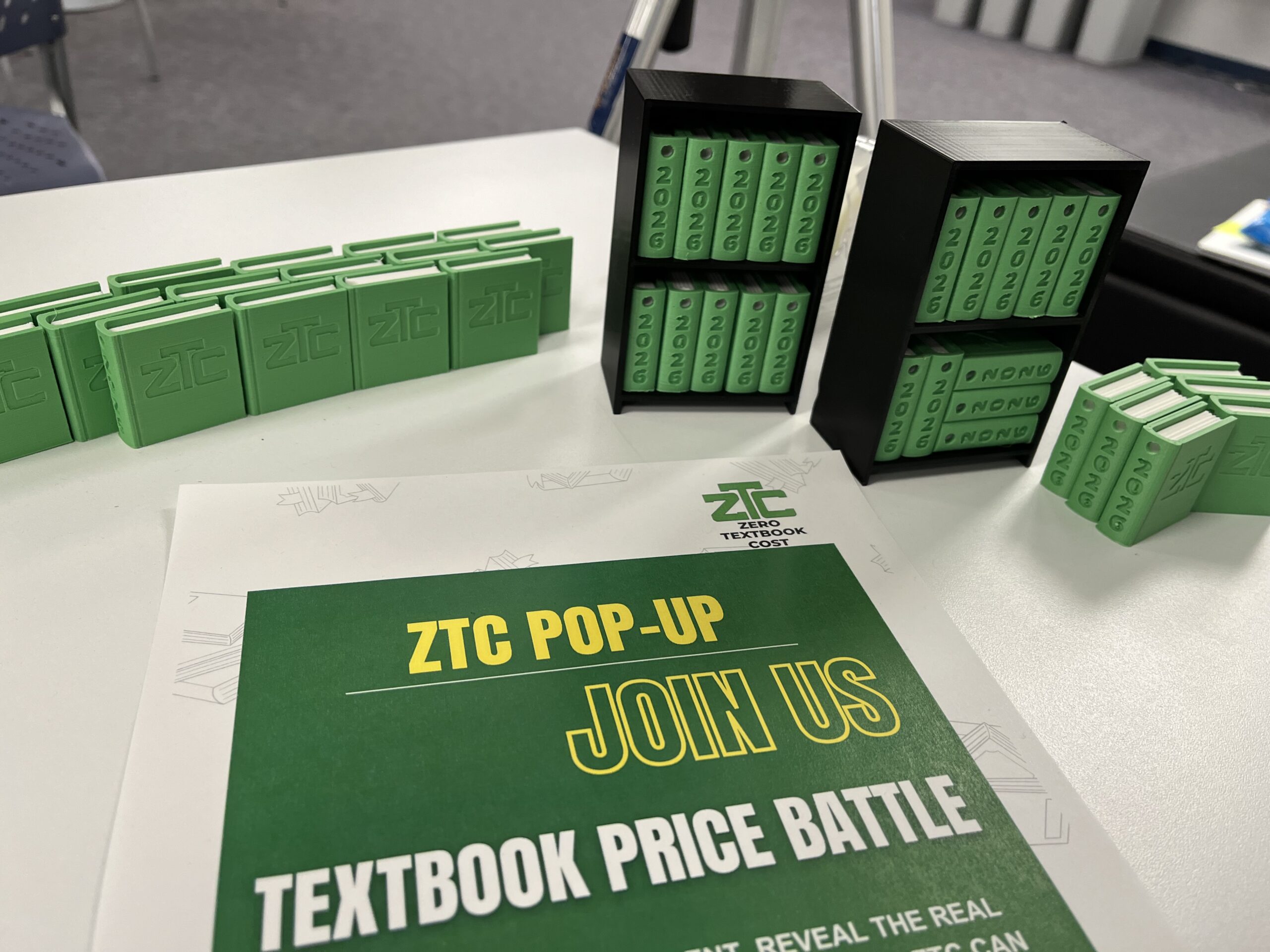
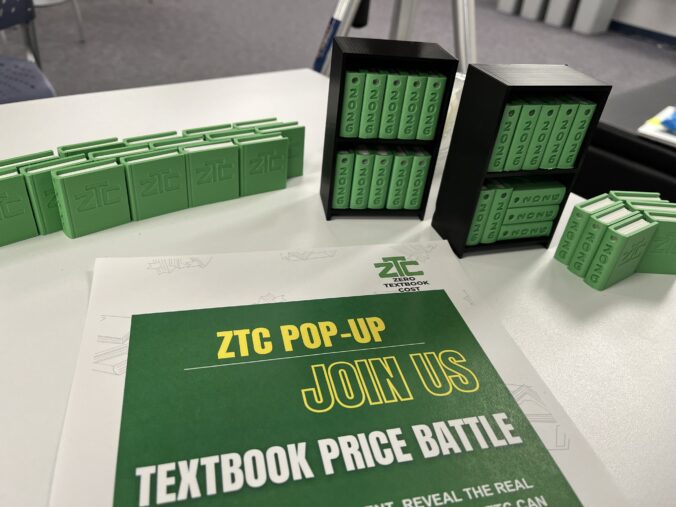
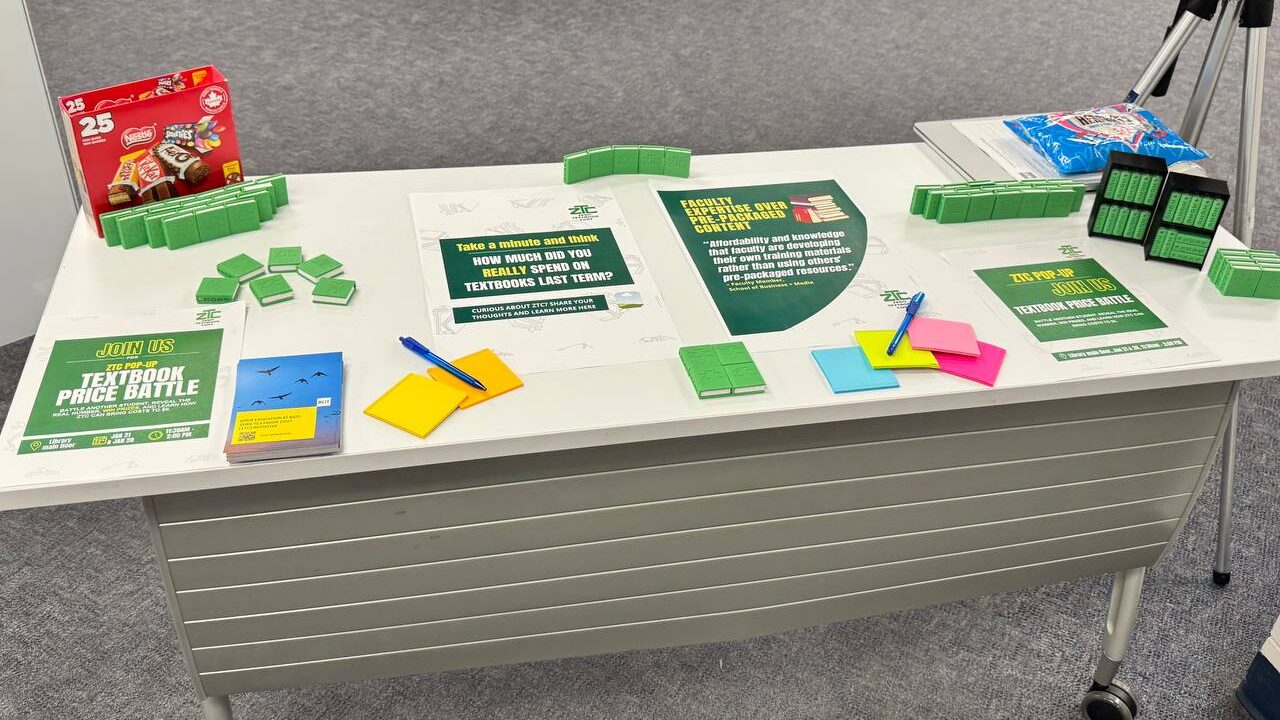
The ZTC Pop-Up events took place at the BCIT Library on the Burnaby campus on January, and were themed around a Textbook Price “Battle” where students compared and shared textbook costs. The ZTC team works toward making education more affordable by reducing or eliminating textbook costs for students. Through this pop-up, we aimed to move beyond secondary research and ask BCIT students about their experiences.
Why We Did This: Purpose of the Pop-Up
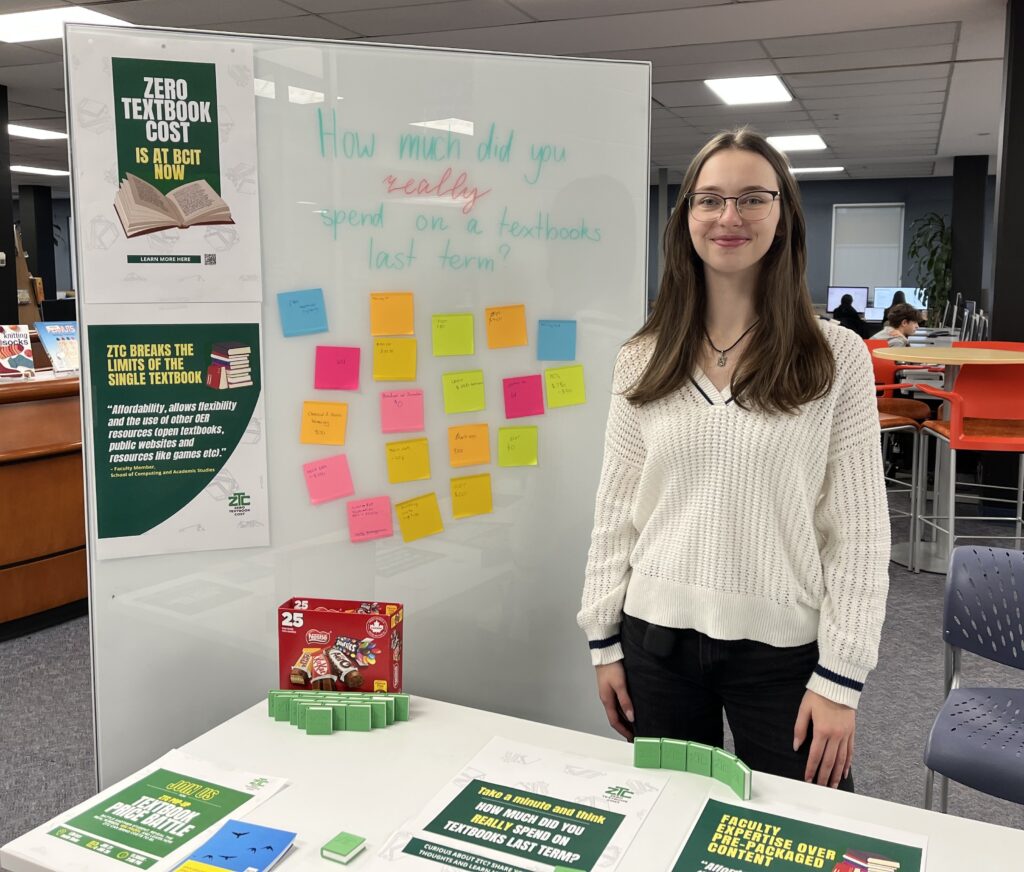
Students and instructors coexist within every educational institution, and decisions made by one group directly impact the other. The main goal of the ZTC pop-up in the Library was to start a conversation across BCIT about the real impact textbook costs have on students’ academic experiences and daily lives. For many students, textbooks are not just an inconvenience but a significant financial barrier.
Who We Spoke With: Student Participation Across Programs
As students ourselves, we are familiar with how textbook costs affect budgets and overall student life. However, it was especially valuable to hear from peers across a wide range of programs, including business and engineering, and to compare how textbook costs differ between different majors.
Noticeable High Textbook Costs, Specifically in Business Programs
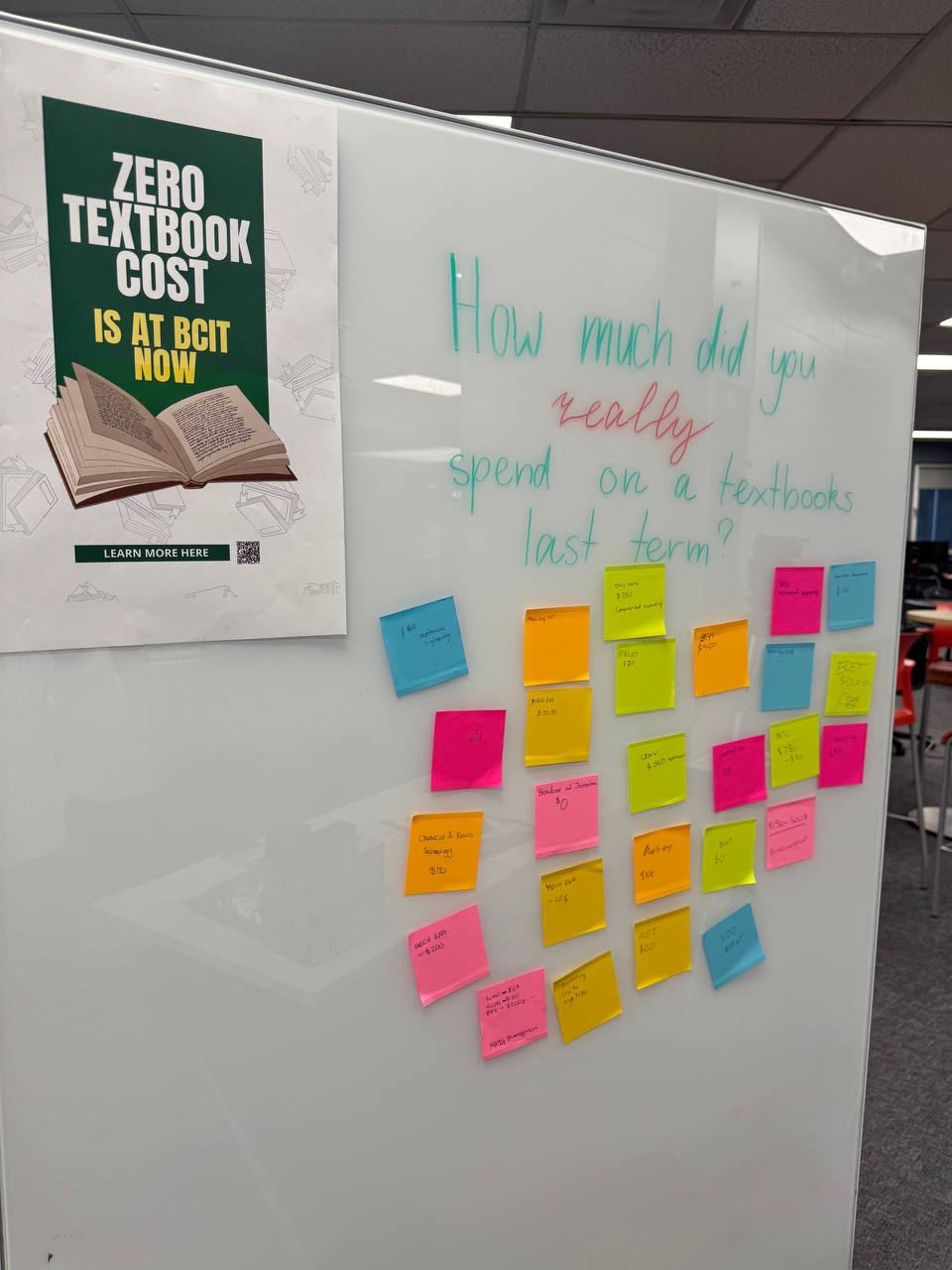
One clear pattern we observed was that textbook costs are consistently high, particularly among business students. For many business programs, spending on textbooks in the previous term ranged from approximately $300 to $800 for a single 15-week semester.

The highest reported amount, $800, came from an Operations and Management student. It’s important to mention, this same student paid significantly less in the current term because their instructor implemented Open Educational Resources instead of traditional textbooks. The student shared that they were very satisfied with the quality of the open materials and that the change made a big financial difference for them personally.
Piracy as a Way of Coping with High Textbook Costs
We were truly surprised to hear that students are not only aware of the high cost of textbooks, but also recognize the struggles their peers face as a result. What stood out most was that students themselves acknowledged how textbook costs affect equity, participation, and the overall learning environment within their programs.
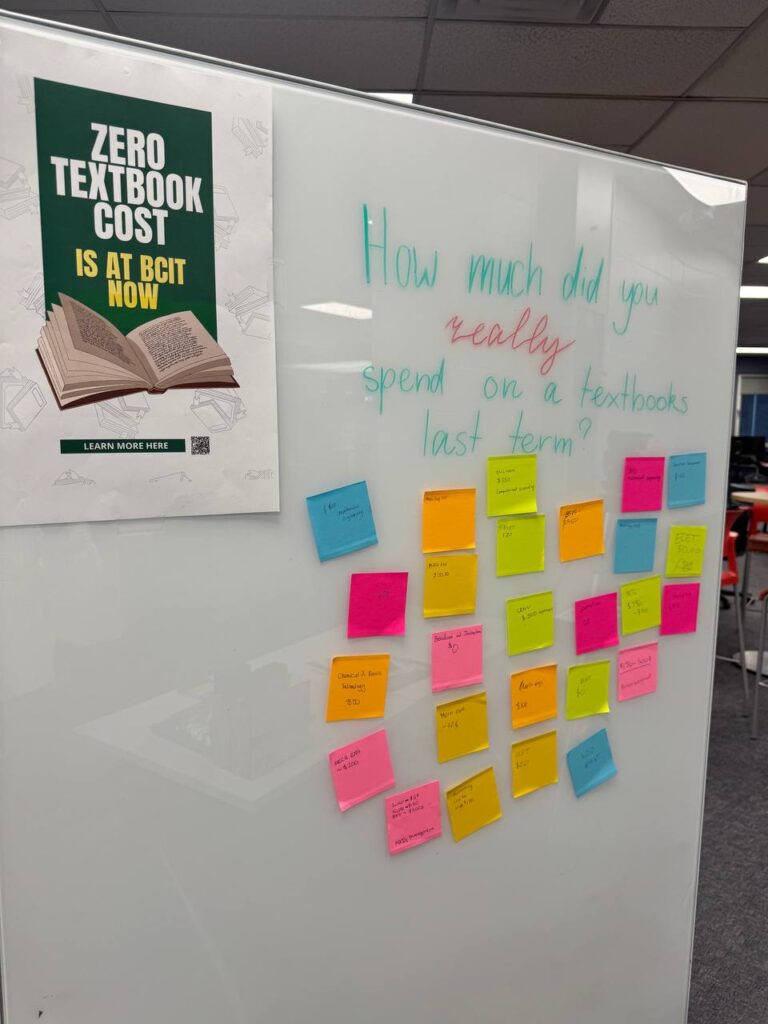
For example, one first-year mechanical engineering student spent approximately $600 last term purchasing required textbooks, while another student in the same program spent $0 by accessing all needed materials through pirating. In some cases, students mentioned that instructors openly acknowledge the expense of textbooks, which can indirectly influence how students choose to access those materials.
Student Awareness of Inequality
One business student from Business Management major shared the following insight:
“I think I am very privileged to be able to pay for my textbooks on top of my tuition, but I realize how this creates inequality when some students struggle to afford them.”
BCIT Business Managment Student
An unexpected issue that frequently arose, particularly among engineering students, was the use of unofficial or “alternative” online textbook sources without permission from the publisher. Many students we spoke with during the first day of the event reported spending $0 on textbooks. After further talk, we learned that this was often because students accessed required materials through unauthorized channels.
The Bigger Question: Student Choice or Systemic Challenge?
This raises an important question. Are students making individual choices in response to high costs, or does this point to a bigger systemic challenge, where limited affordable and accessible options push students to spend hundreds of dollars on textbooks or seek alternative ways of accessing required course materials that do not align with copyrights?
Rethinking Access to Quality Learning Materials for Students
But the truth is that quality education matters, and students believe that a well-designed course with high-quality materials, whether traditional textbooks or OER, can make a real difference in the learning experience. At that point, it is worth asking whether the current system is truly working in students’ best interests. Accessible and affordable alternatives do exist, and that is exactly why we are doing this project.
We hope you gained as much insight from this experience as we did!